


When to See a Periodontist
Periodontal treatment may be sought in several ways. Your general dentist or a hygienist may recommend a consultation with a periodontist if they find signs of periodontal disease through the course of a checkup or other dental care appointment. You may also decide to see a periodontist on your own, as a referral is not necessary to be seen at our office.
In fact, if you experience any of these symptoms, we encourage you to schedule an appointment at our office without delay:
- Bleeding while brushing or eating normal foods. Unexplained bleeding while performing regular cleaning or consuming food is the most common sign of a periodontal infection.
- Bad breath. Ongoing halitosis (bad breath), which continues despite rigorous oral cleaning, can point to periodontitis, gingivitis or the beginnings of a gum infection.
- Loose teeth and gum recession. Longer-looking and loose-feeling teeth can indicate recession of the gums and/or bone loss as a result of periodontal disease.
- Related health concerns. Patients with heart disease, diabetes, osteopenia or osteoporosis are often diagnosed with correlating periodontal infections. The bacterial infection can spread through the blood stream, affecting other areas of the body.
The inside of the mouth is normally lined with a special type of skin (mucosa) that is smooth and coral pink in color. Any alteration in this appearance could be a warning sign for a pathological process. The most serious of these is oral cancer.
The following are common signs of a pathologic process or cancerous growth:
- Reddish patches (erythroplasia) or whitish patches (leukoplakia) in the mouth.
- A sore that fails to heal, and bleeds easily.
- A lump or thickening on the skin lining the inside of the mouth.
- Chronic sore throat or hoarseness.
- Difficulty chewing or swallowing.
These changes can be detected on the lips, cheeks, palate, and gum tissue around the teeth, tongue, face, and/or neck. Pain does not always occur with pathology and, curiously, is not often associated with oral cancer. However, any patient with facial and/or oral pain without an obvious cause or reason may also be at risk for oral cancer. We recommend performing an oral cancer self-examination monthly.
Remember that your mouth is one of your body’s most important warning systems. Do not ignore suspicious lumps or sores. Please contact us so we may help.
Periodontal Disease (Gum Disease)
What is Periodontal Disease?
Periodontal treatment is necessary when various conditions affect the health of your gums and the regions of your jaw bone that hold your teeth in place. Retaining your teeth is directly dependent on proper periodontal care and maintenance. Healthy gums enhance the appearance of your teeth, like a frame around a beautiful painting. When your gums become unhealthy, they can either recede or become swollen and red. In later stages, the supporting bone is destroyed and your teeth will shift, loosen, or fall out. These changes not only affect your ability to chew and speak. They also spoil your smile.
Periodontal diseases are ongoing infections of the gums that gradually destroy the support of your natural teeth. Periodontal disease affects one or more of the periodontal tissues: alveolar bone, periodontal ligament, cementum, or gingiva. While there are many diseases which affect the tooth-supporting structures, plaque-induced inflammatory lesions make up the majority of periodontal issues, and are divided into two categories: gingivitis and periodontitis. While gingivitis, the less serious of the diseases, may never progress into periodontitis, it always precedes periodontitis.
Gingivitis
Dental plaque is the primary cause of gingivitis in genetically-susceptible individuals. Plaque is a sticky colorless film, composed primarily of food particles and various types of bacteria, which adhere to your teeth at and below the gum line. Plaque constantly forms on your teeth, even minutes after cleaning. Bacteria found in plaque produce toxins or poisons that irritate the gums. Gums may become inflamed, red, swollen, and bleed easily. If this irritation is prolonged, the gums separate from the teeth causing pockets (spaces) to form. If daily brushing and flossing is neglected, plaque can also harden into a rough, porous substance known as calculus (or tartar). This can occur both above and below the gum line.
Periodontitis
If gingivitis progresses into periodontitis, the supporting gum tissue and bone that holds teeth in place deteriorates. The progressive loss of this bone, the alveolar, can lead to loosening and subsequent loss of teeth. Periodontitis is affected by bacteria that adhere to the tooth’s surface, along with an overly aggressive immune response to these bacteria.
Periodontal disease is dangerous in that it is often painless and symptomless. Eighty percent of Americans will be afflicted with periodontal disease by age 45, and 4 out of 5 patients with the disease are unaware they have it. It is important to maintain proper home oral care and regular dentist visits to reduce the risk of obtaining this disease.
Women and Periodontal Health
Throughout a woman’s life, hormonal changes affect tissue throughout the body. Fluctuations in hormonal levels occur during puberty, pregnancy and menopause. At these times, the chance of periodontal disease may increase, requiring special care of your oral region.
Puberty
During puberty, there is increased production of sex hormones. These higher hormone levels increase gum sensitivity and lead to greater irritation from plaque and food particles. The gums can become swollen, turn red, and feel tender.
Menstruation
Similar symptoms occasionally appear several days before menstruation. Bleeding of the gums, bright red swelling between the teeth and gum, or sores on the inside of the cheek may occur. These symptoms generally clear up once the period has started.
Pregnancy
Your gums and teeth are also affected during pregnancy. Between the second and eighth month, gums may also swell, bleed, and become red or tender. Large lumps may appear as a reaction to local irritants. However, these growths are generally painless and not cancerous. They may require professional removal, but usually disappear sometime after delivery. Periodontal health practices should be part of your prenatal care. Any infections during pregnancy, including periodontal infections, can place a baby’s health at risk. For more information, see the section of our website labeled “Pregnancy and Periodontal Disease” under the “Mouth-Body Connection” tab.
Oral Contraceptives
Swelling, bleeding, and tenderness of the gums may also occur when you are taking oral contraceptives, which are synthetic hormones.
You should always mention any prescriptions you are taking, including oral contraceptives, prior to medical or dental treatment. This will help eliminate the risk of drug interactions, such as antibiotics with oral contraceptives, which lessens the effectiveness of the contraceptive.
Menopause
Changes in the look and feel of your mouth may occur if you are menopausal or post-menopausal. They include: feeling pain and burning in your gum tissue and salty, peppery, sour tastes, and “dry mouth.” Careful oral hygiene at home and professional cleaning may relieve these symptoms. There are also saliva substitutes to treat the effects of dry mouth.
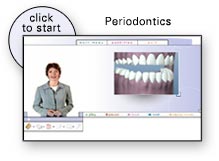
Periodontics Presentation
To provide you with a better understanding of periodontics, we have provided the following multimedia presentation. Many common questions pertaining to periodontal treatments are discussed.
Ready to Schedule a Consultation?
Dr. Misischia and Dr. Rose offer a number of dental treatments that can keep your mouth healthy and your smile beautiful. Contact us today!